Project-fit candidate
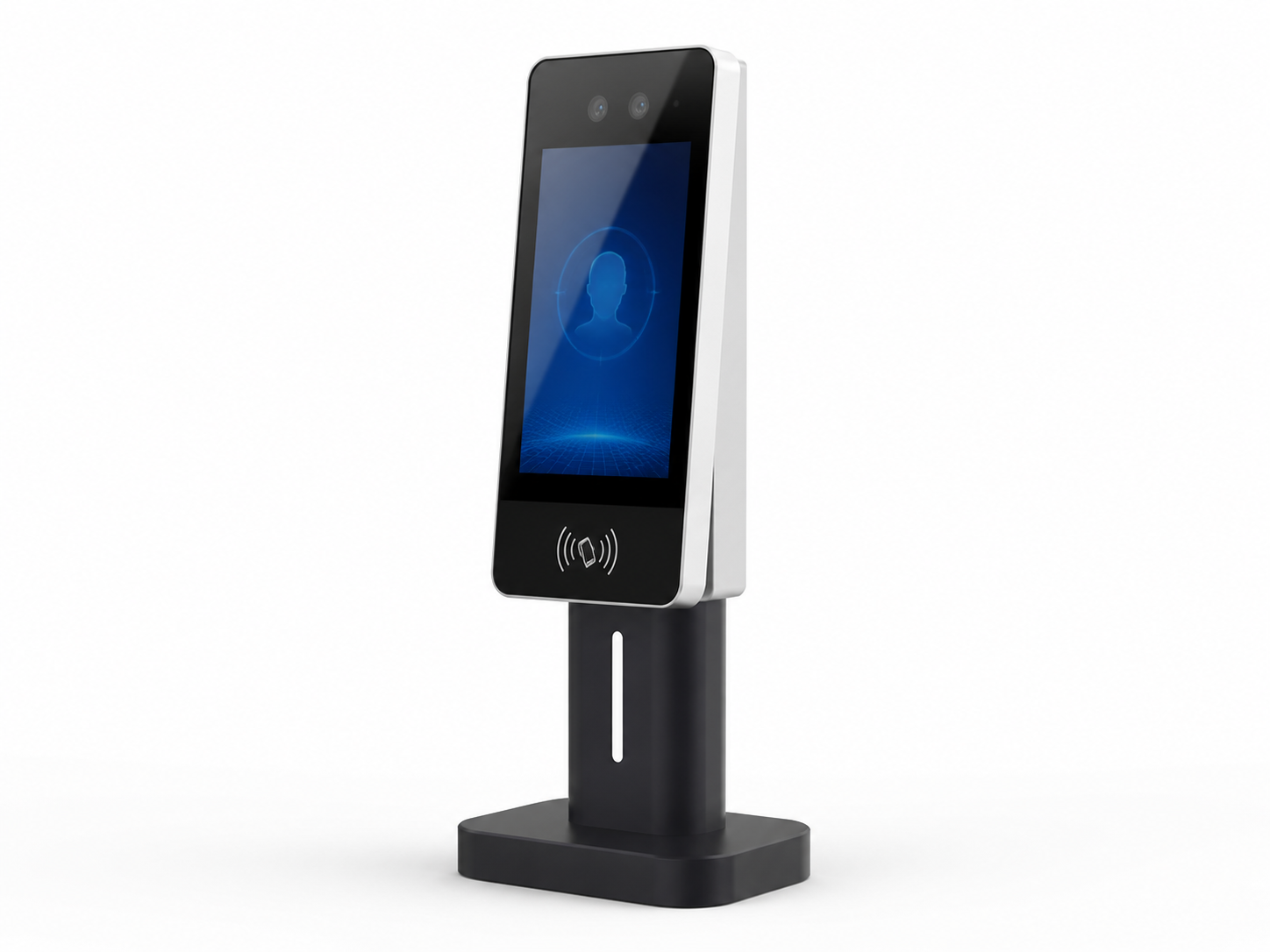
Face Recognition Terminals
Binocular camera terminals with liveness detection, offline processing, and visitor or access workflows.
View productIndustry solutions
Connect identity, visitor, vehicle, and access events across terminals, gates, parking lanes, and the property-management platform.
Recommended products include Face Recognition Terminals, Vehicle Recognition Terminals. Cairan can connect them to visitor, membership, access-control, property-management, and parking systems through SDK/API integration and middleware.
Recommended products
These product families and models are practical starting points. Final configuration, interfaces, certification, and availability are confirmed against the written project scope.
Binocular camera terminals with liveness detection, offline processing, and visitor or access workflows.
View product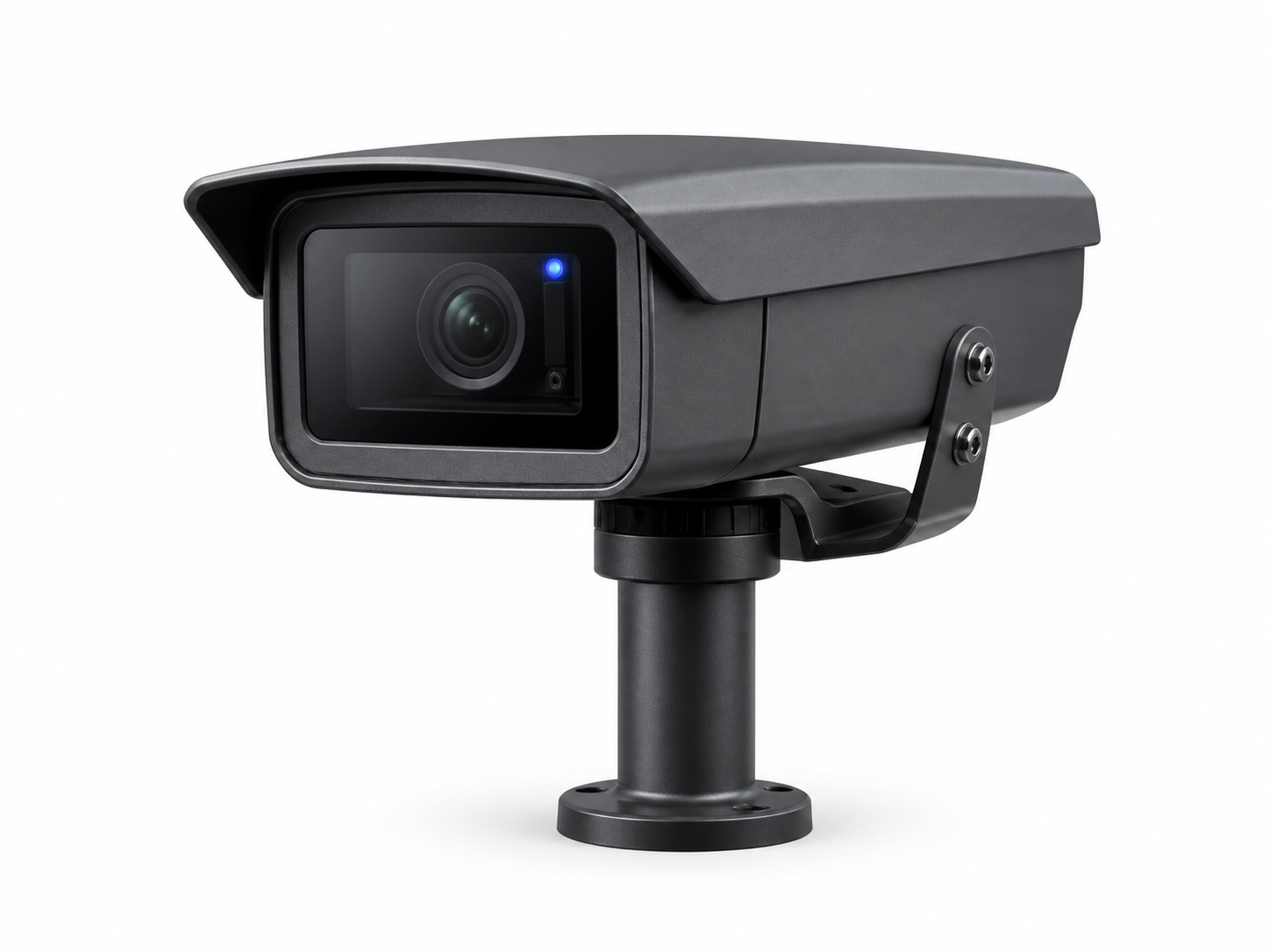
License plate recognition for parking, fleet management, property access, and member benefits.
View productIntegration path
Face Recognition Terminals, Vehicle Recognition Terminals
Manufacturer SDK coordination, API mapping, middleware, event handling, testing, and acceptance support.
visitor, membership, access-control, property-management, and parking systems
Cairan defines the device mix, identity and event model, system interfaces, exception paths, pilot tests, and acceptance scope before rollout.
Project delivery
Deployment evidence
Published deployment patterns show how hardware, software, and operational workflows were connected.
Integrated identity terminals with a Taiwan commercial membership system and access workflow.
View case studyMapped plate recognition events into property access and parking management processes.
View case studyWith customer privacy protected, this case focuses on the delivered scenario, implementation approach, and integration scope.
Tell us your business scenario, existing system, target hardware, and timeline. We will respond with the right next step.