Industry solutions

Smart parking integration for LPR, barriers, payment, and parking platforms.

Turn plate captures into reliable entry, payment, member, visitor, exception, and exit workflows across the lane and parking platform.

In brief

Recommended products include Vehicle Recognition Terminals, POS-920 Handheld smart POS. Cairan can connect them to parking, barrier-control, payment, CRM, membership, and property platforms through SDK/API integration and middleware.

Recommended products

Hardware selected for this solution

These product families and models are practical starting points. Final configuration, interfaces, certification, and availability are confirmed against the written project scope.

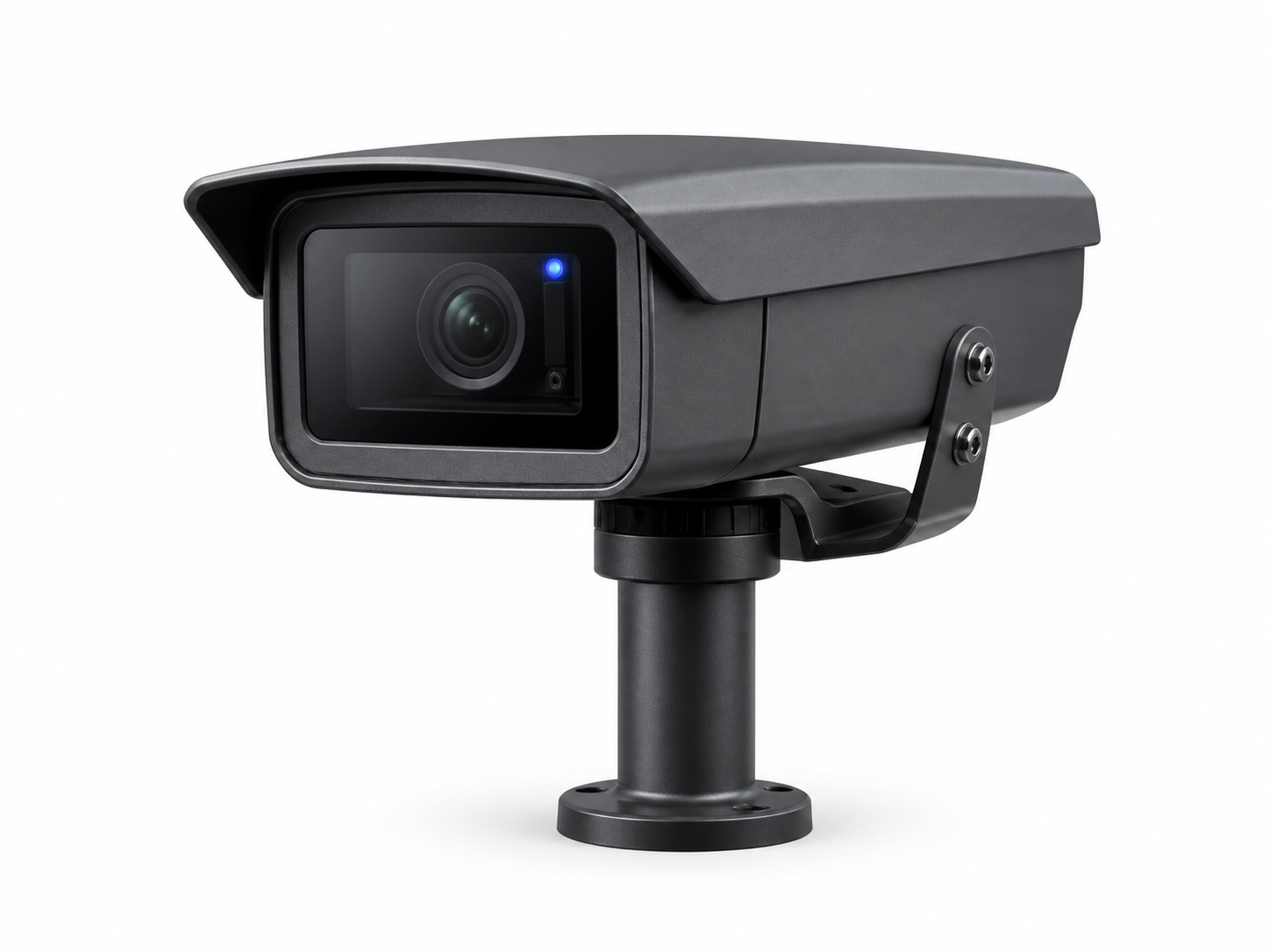
Vehicle Recognition Terminals
Project-fit candidate

Vehicle Recognition Terminals

License plate recognition for parking, fleet management, property access, and member benefits.

View product
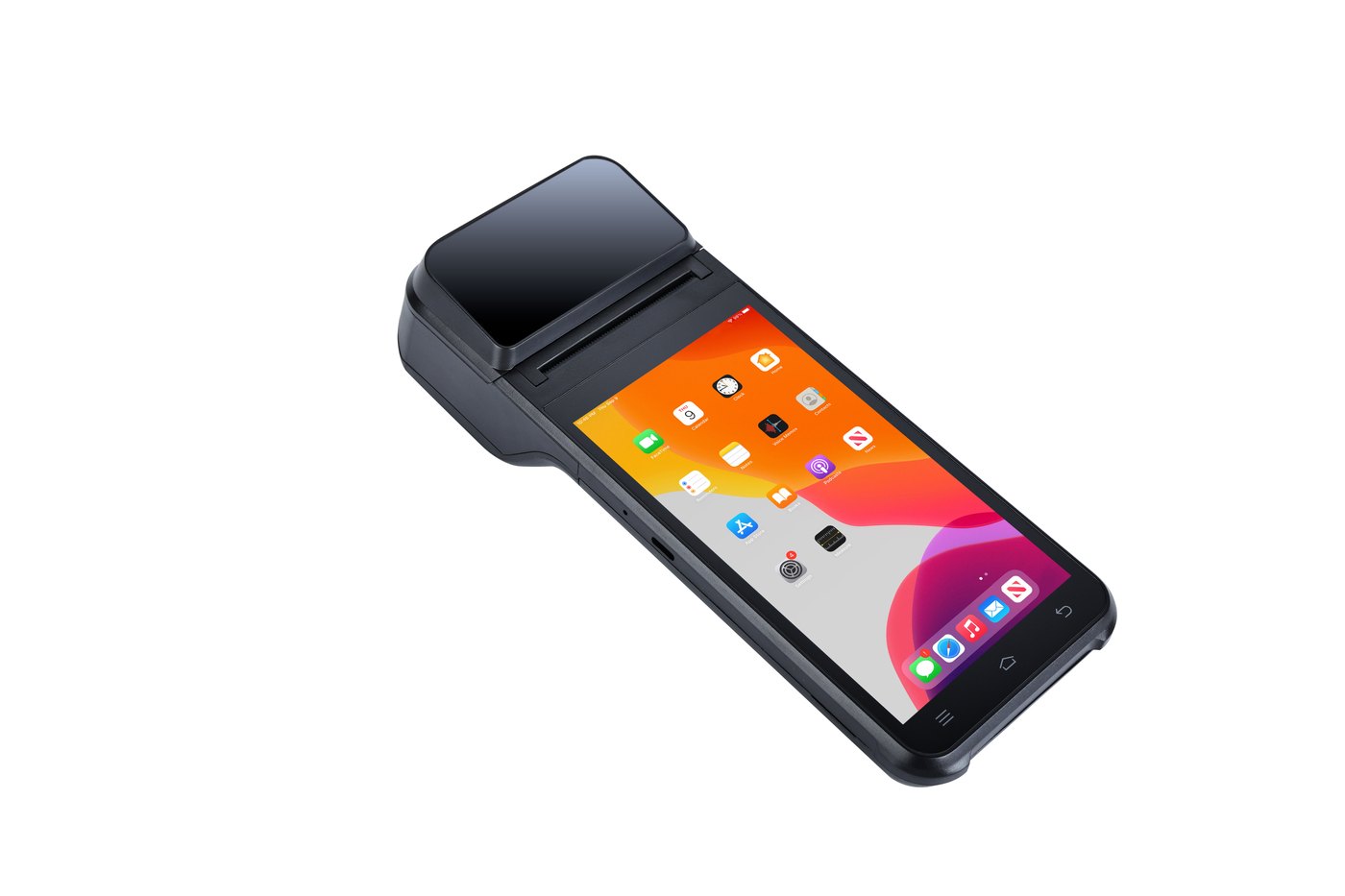
POS-920 Handheld smart POS
Project-fit candidate

POS-920 Handheld smart POS

A handheld POS model for mobile checkout, table service, delivery-facing workflows, and lightweight retail operations.

View product

Integration path

How the products connect to the operating system

01

Device layer

Vehicle Recognition Terminals, POS-920 Handheld smart POS

02

Cairan Bridge

Manufacturer SDK coordination, API mapping, middleware, event handling, testing, and acceptance support.

03

Business system

parking, barrier-control, payment, CRM, membership, and property platforms

Solution answer

Cairan connects lane hardware and plate events to barrier rules, payment status, visitor approval, membership benefits, operator actions, and platform records.

Project delivery

From business scenario to an approvable acceptance scope

Where parking projects usually break

  • Camera selection is not matched to plate region, lane geometry, speed, or lighting
  • LPR, barrier, payment, visitor, and membership systems use separate workflows
  • Unreadable plates, lost tickets, denied entry, and manual release are not designed
  • Network or platform failures leave the lane without an agreed fallback

Delivery scope

  • Review lane conditions and select LPR, controller, barrier, and payment interfaces
  • Map plate, image, confidence, whitelist, payment, visitor, and access events
  • Define local versus cloud decisions plus retry and manual-override rules
  • Prepare pilot-lane tests, operator procedures, logs, and rollout checklist

Acceptance criteria to define

  • Representative plate, lighting, entry, and exit cases pass the agreed test set
  • Barrier response follows whitelist, visitor, payment, and member policies
  • Unreadable plate, duplicate entry, network loss, and manual override are logged
  • Platform records, images, payment state, and lane events can be reconciled

What we need to start

  • Country or plate region, lane layout, distance, speed, and lighting
  • Existing parking platform, barrier controller, payment, visitor, and CRM interfaces
  • Image storage, event retention, network, local control, and privacy requirements
  • Pilot lane, installation plan, peak traffic, rollout quantity, and acceptance owner

Deployment evidence

Related integration cases

Published deployment patterns show how hardware, software, and operational workflows were connected.

LPR Parking

License plate recognition for property management

Mapped plate recognition events into property access and parking management processes.

View case study

With customer privacy protected, this case focuses on the delivered scenario, implementation approach, and integration scope.

Ready to discuss your smart terminal integration project?

Tell us your business scenario, existing system, target hardware, and timeline. We will respond with the right next step.

Tell Us Your Scenario