Industry solutions

Food and beverage integration for POS, ordering, kitchen, queue, and service robots.

Keep orders, payments, kitchen status, queue progress, robot tasks, and operator actions synchronized from counter to delivery.

In brief

Recommended products include Service Robots, POS1517 Countertop POS terminal, POS-108 Handheld smart POS. Cairan can connect them to ordering, POS, kitchen, queue, dispatch, and operator systems through SDK/API integration and middleware.

Recommended products

Hardware selected for this solution

These product families and models are practical starting points. Final configuration, interfaces, certification, and availability are confirmed against the written project scope.

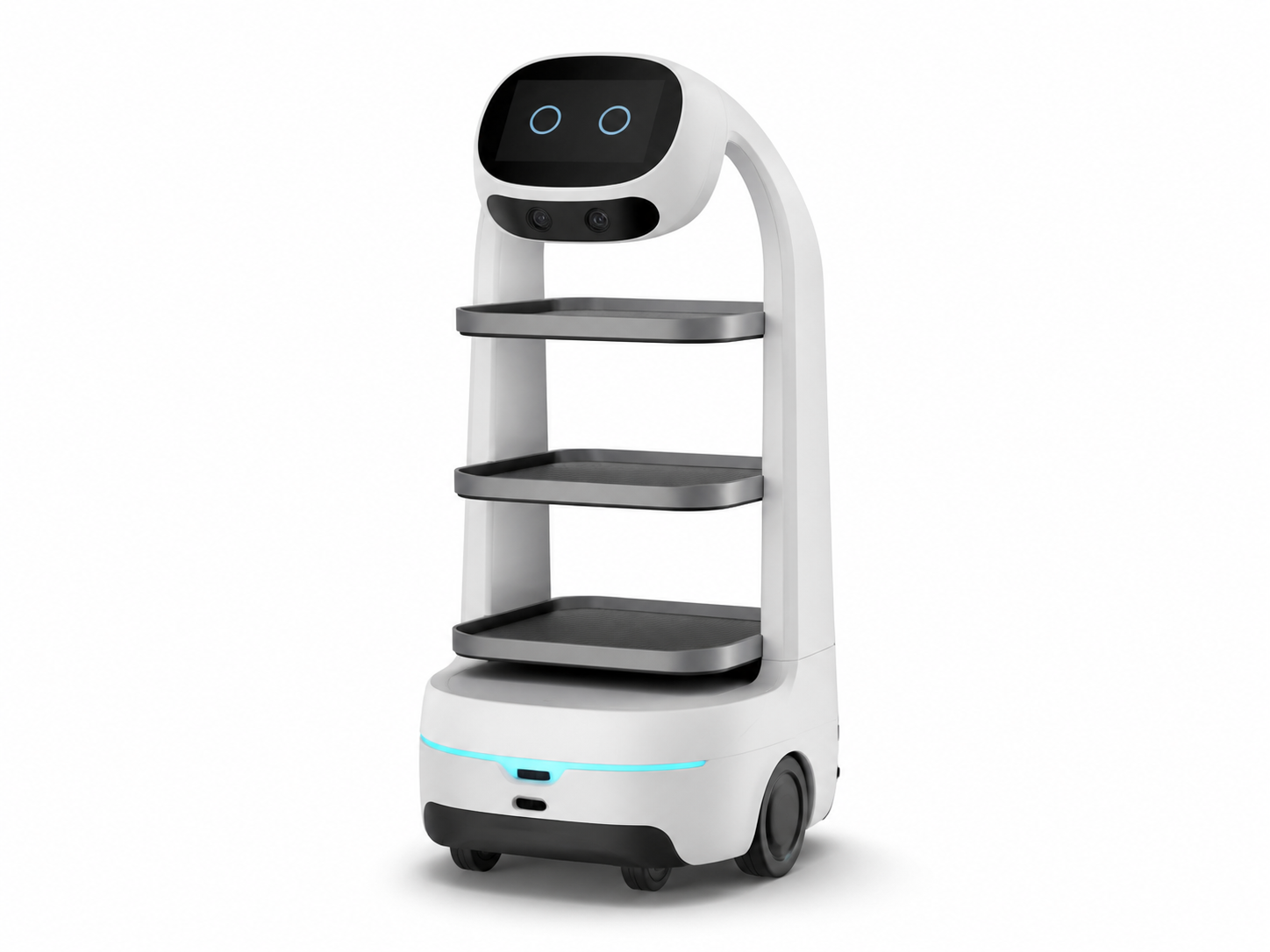
Service Robots
Project-fit candidate

Service Robots

Scenario-specific service robot applications for hospitality guidance and room-service workflows.

View product
POS1517 Countertop POS terminal
Project-fit candidate

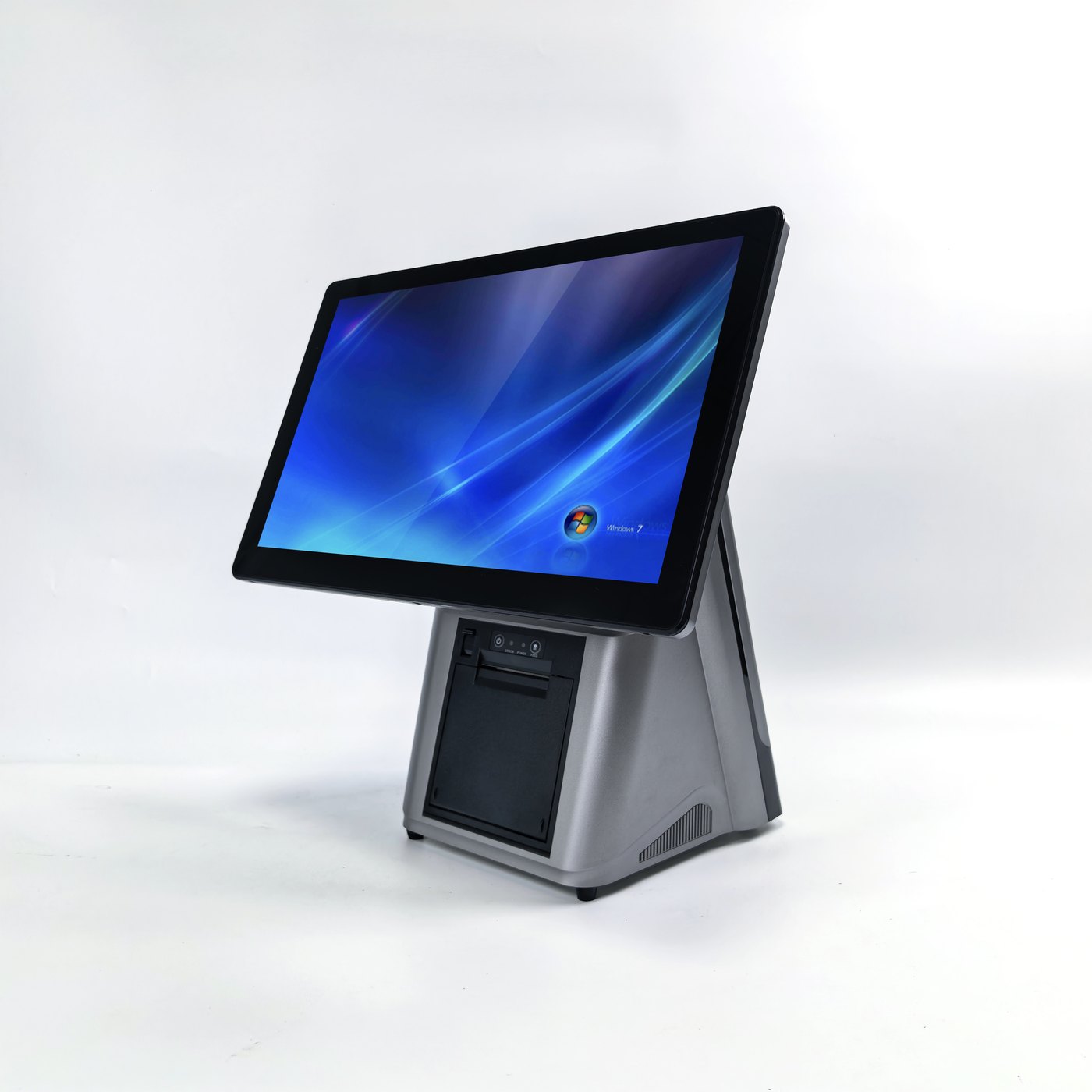
POS1517 Countertop POS terminal

A countertop POS model for retail and hospitality counters that need a stable terminal connected to POS and membership flows.

View product
POS-108 Handheld smart POS
Project-fit candidate

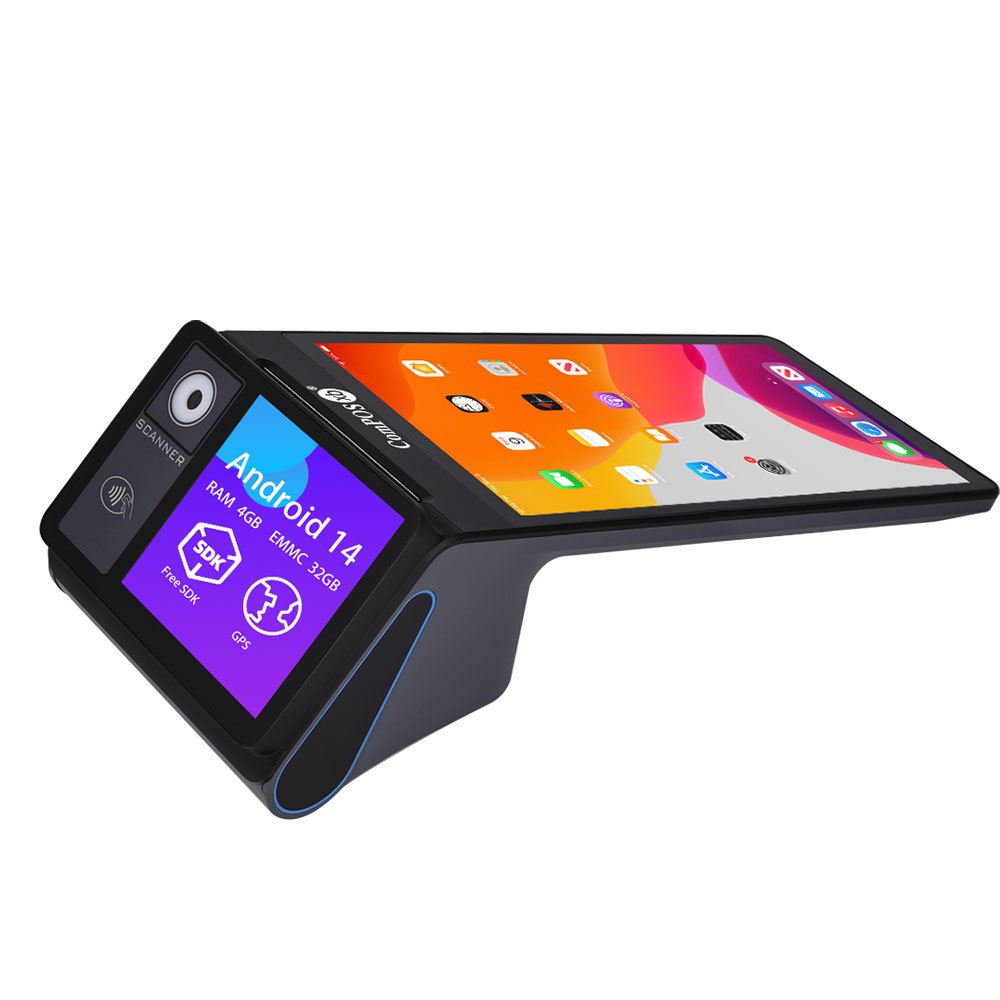
POS-108 Handheld smart POS

A handheld smart POS style model for mobile checkout, table-side ordering, queue service, and field transaction workflows.

View product

Integration path

How the products connect to the operating system

01

Device layer

Service Robots, POS1517 Countertop POS terminal, POS-108 Handheld smart POS

02

Cairan Bridge

Manufacturer SDK coordination, API mapping, middleware, event handling, testing, and acceptance support.

03

Business system

ordering, POS, kitchen, queue, dispatch, and operator systems

Solution answer

Cairan selects the terminals and robot platform, maps the service workflow, connects system events, and supports pilot testing and operator handover.

Project delivery

From business scenario to an approvable acceptance scope

Where food-service projects usually break

  • Counter, handheld, kiosk, payment, kitchen, and robot systems use different order states
  • Peak-hour retries, duplicate orders, failed payments, and unavailable items are not handled consistently
  • Robot dispatch is added without a clear pickup, destination, priority, or exception model
  • Hardware, software, network, and on-site responsibilities are split across vendors

Delivery scope

  • Select counter POS, handheld, kiosk, payment, display, and robot roles
  • Map menu, order, payment, kitchen, queue, dispatch, completion, and exception events
  • Build or coordinate the API adapter, middleware, and robot dispatch connection
  • Test the pilot workflow and prepare operator training, recovery, and support procedures

Acceptance criteria to define

  • Order identity and status remain consistent across POS, kitchen, queue, and delivery
  • Payment success, failure, refund, cancellation, and duplicate cases follow agreed rules
  • Robot task, arrival, blocked-route, low-battery, failure, and manual takeover cases are tested
  • Operators can recover exceptions and support teams can trace events from logs

What we need to start

  • Restaurant or venue type, service model, stations, peak volume, and device roles
  • Existing POS, ordering, kitchen display, queue, payment, and membership interfaces
  • Robot routes, lifts or doors, charging point, network, and operator responsibilities
  • Pilot site, menu and order rules, rollout plan, training scope, and acceptance owner

Deployment evidence

Related integration cases

Published deployment patterns show how hardware, software, and operational workflows were connected.

Service Robot

Service robot dispatch for a restaurant operator

Connected service robots with ordering and dispatch systems for smoother table delivery.

View case study

With customer privacy protected, this case focuses on the delivered scenario, implementation approach, and integration scope.

Ready to discuss your smart terminal integration project?

Tell us your business scenario, existing system, target hardware, and timeline. We will respond with the right next step.

Tell Us Your Scenario